What Can and Cannot Go in a Dumpster in Mississippi
Most household and construction debris is fine to toss in — but a short list of items needs a different disposal path. Here's what's allowed, what's not, and why.
Cost Guide
There's no single price for a dumpster rental — here's an honest breakdown of the handful of things that actually move the number, so you know what you're paying for before you call.
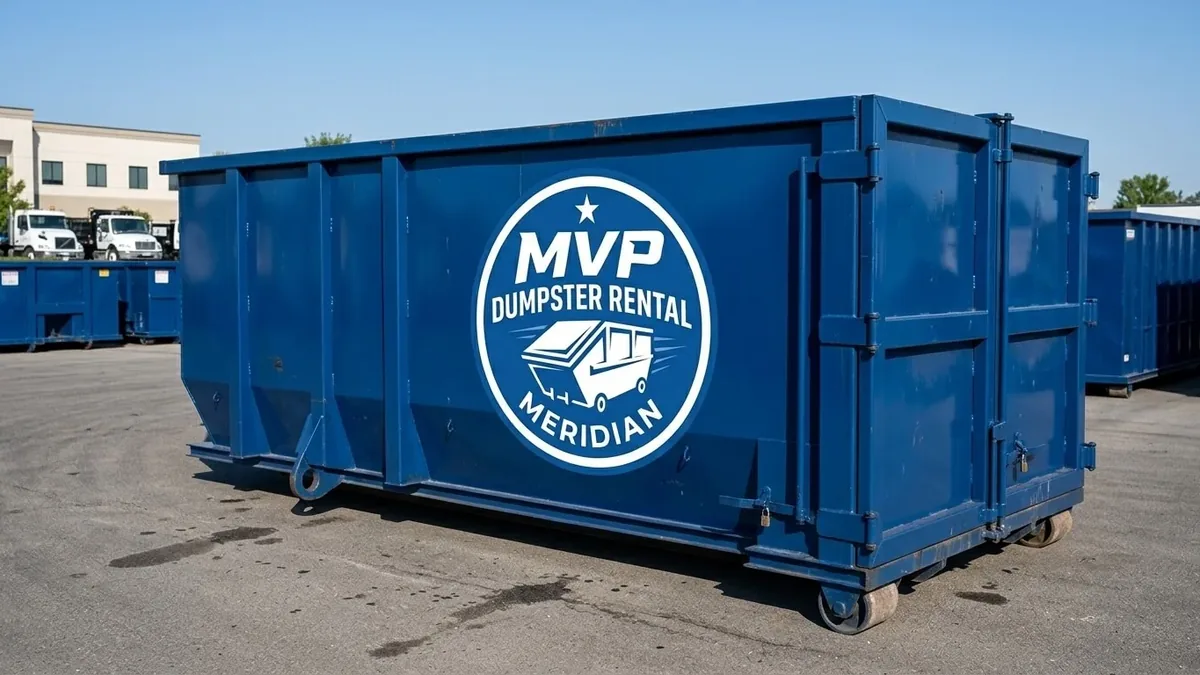
We're not going to publish a price table on this page, and there's a real reason for that: the honest answer to "how much does a dumpster cost" is "it depends," and any flat number we posted here would be wrong for most of the people reading it. What we can do is walk you through exactly what drives the price up or down, so when you call for a quote you already understand what you're being asked about — and why.
Bigger containers cost more to haul and to dispose of than smaller ones, so size is naturally the first number that affects your quote. But size alone doesn't tell the whole story — a small container full of heavy debris can end up costing more than a larger one full of light, bulky material. Think of size as the starting line, not the finish line.
Every dumpster rental includes a weight allowance appropriate to its size, and going over that allowance is where a lot of surprise charges come from on other companies' invoices. This is the single biggest reason two people can rent the "same size" dumpster and end up with very different bills. Heavy materials that push weight up fast include:
Light, bulky materials rarely come close to a weight limit, even when they fill the box completely:
Tell us honestly what's going in the box when you call. If it's a heavy-material job — a roof tear-off, a concrete patio demo, a dirt-and-sod removal — we'll size and price it accordingly up front instead of surprising you at pickup.
How many days you keep the container affects the price too. A quick weekend cleanout is naturally cheaper than a container that sits on-site through a month-long renovation. If you know your project is going to run long, say so when you book — we can often set a longer rental period into the initial quote rather than charging day-by-day extension fees later.
Beyond weight, certain materials cost more to dispose of properly regardless of how much they weigh — things that require special handling or separate disposal streams rather than going into general debris disposal. If your project includes anything unusual — old appliances, large quantities of tires, painted or treated wood, mixed construction and demolition debris — mention it up front. Most of it is fine to load, some of it needs to go in a separate load, and a small list of things (see our guide on what can and can't go in a dumpster) can't go in at all. Sorting that out on the phone before delivery is always cheaper and faster than sorting it out after the truck shows up.
We're based in Meridian and serve Lauderdale County, and most of our deliveries run a short drive from our yard. A more remote drop location, or one with tricky access — a steep or narrow driveway, low overhead clearance, a tight turnaround — can factor into scheduling and, in some cases, price. This is another thing worth mentioning on the initial call so there are no surprises.
If a project runs long or generates more debris than expected, you have two basic options: extend the rental, or have a full container swapped for an empty one mid-project. Both are normal and both can affect the final number, which is exactly why it pays to give us an honest picture of your timeline and debris volume up front. A realistic estimate at booking time — even a rough one — almost always beats guessing low and needing a swap or extension you didn't plan for. If you already know a project is likely to run past a typical rental window, say so when you call, and we'll build that into the quote rather than treating it as an unplanned add-on later.
A one-time residential cleanout and an ongoing contractor relationship are priced a little differently in practice, mostly because of volume and predictability rather than any different rulebook. A contractor running multiple roll-offs a month across several job sites has a different relationship with us than a homeowner booking a single weekend cleanout, and that can shape scheduling flexibility and how quotes are structured. If you're a contractor or property manager expecting repeat business, mention that when you call — it's worth a conversation about how we can make ongoing service simpler on both ends.
It would be easier for everyone if we could just post a single number and be done with it, but a flat number that's accurate for a light weekend cleanout would badly undercharge a heavy roofing tear-off, and a number sized for a heavy job would overcharge someone doing a small closet-and-garage declutter. Rather than publish a number that's wrong for most people who read it, we'd rather ask the handful of questions that actually determine your price and give you something accurate. It takes less time than you'd think, and you hang up the phone with a real number instead of a starting estimate that changes later.
We quote flat, upfront pricing based on size, expected weight and rental length, matched to your actual project — not a generic size chart. That means:
The best way to get an accurate number is a short phone call. Tell us the project type, roughly how much debris, what kind of material, and how long you expect to need the container, and we'll give you a flat quote on the spot.
FAQs
Because the honest price depends on size, weight, rental length and what's actually in the container. A flat number posted online would be misleading for most projects. We'd rather ask a few quick questions and give you an accurate flat quote.
Going over the weight allowance is the most common surprise, especially with heavy material like roofing, concrete or wet debris. Telling us what's going in the box up front lets us size and quote it correctly from the start.
Yes, rental length is one of the factors in the quote. If you know your project will run longer than a quick weekend cleanout, let us know when you book so we can build that into the flat price up front.
Usually, but not always — a smaller box loaded with heavy material can cost more than a larger one loaded with light material, because weight matters as much as size. We'll help you find the size that actually fits your project.
Delivery distance and site access can be a factor for locations outside our normal Lauderdale County service area or with difficult access. Mention your location and driveway situation on the call and we'll fold anything relevant into your flat quote.
In most cases, yes. Describe the project, the estimated debris volume and type, and your address, and our dispatcher can give you a flat quote right on the call.
Ready when you are
Call and you will speak to someone local who knows the streets, the permit rules and which box actually fits your lot. Flat rate quoted up front.
Keep reading
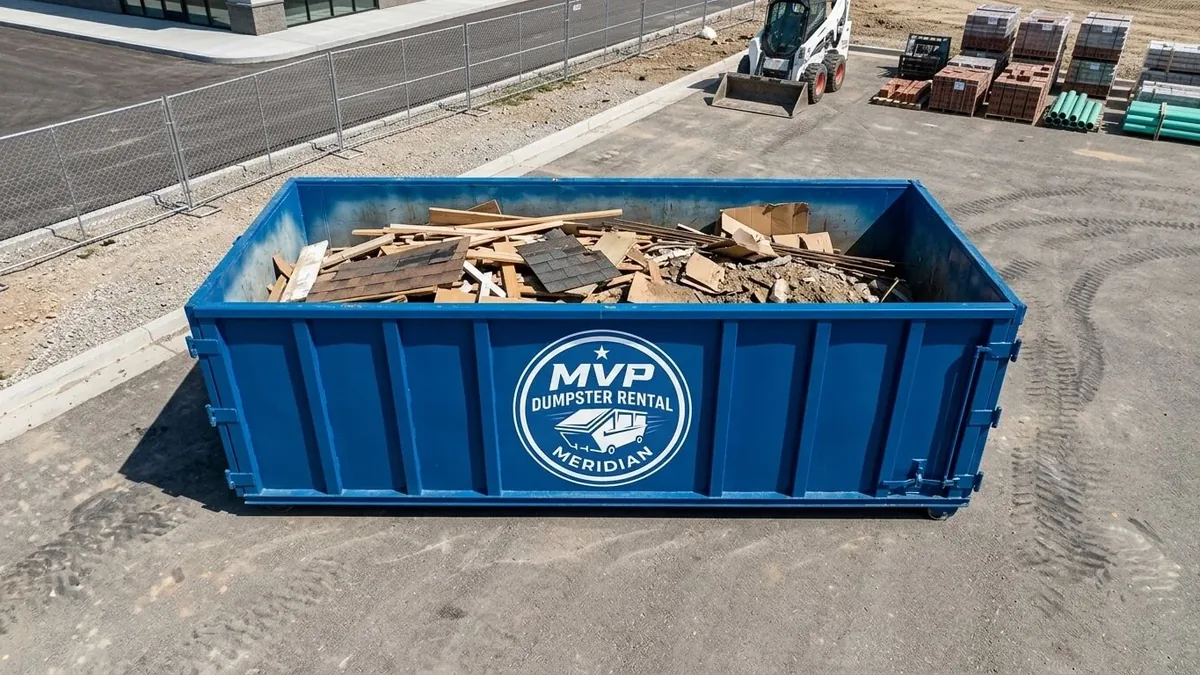
Most household and construction debris is fine to toss in — but a short list of items needs a different disposal path. Here's what's allowed, what's not, and why.
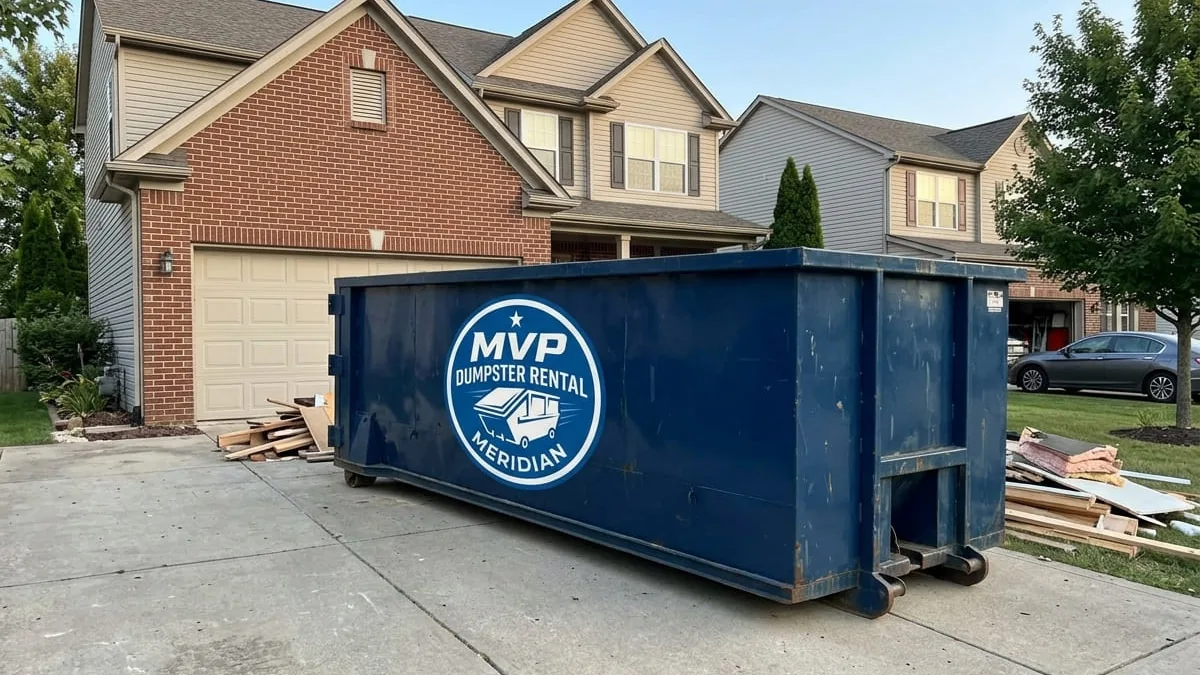
Driveway placement almost never needs a permit — the street or right-of-way usually does. Here's how to tell which situation you're in before you book.
From framing scraps to old drywall, construction debris adds up fast on any Meridian jobsite. Here's how to sort it, weigh it and keep it moving off-site without slowing the crew down.