Do You Need a Permit for a Dumpster in Meridian, MS?
Driveway placement almost never needs a permit — the street or right-of-way usually does. Here's how to tell which situation you're in before you book.
Disposal Rules Guide
Most household and construction debris is fine to toss in — but a short list of items needs a different disposal path. Here's what's allowed, what's not, and why.
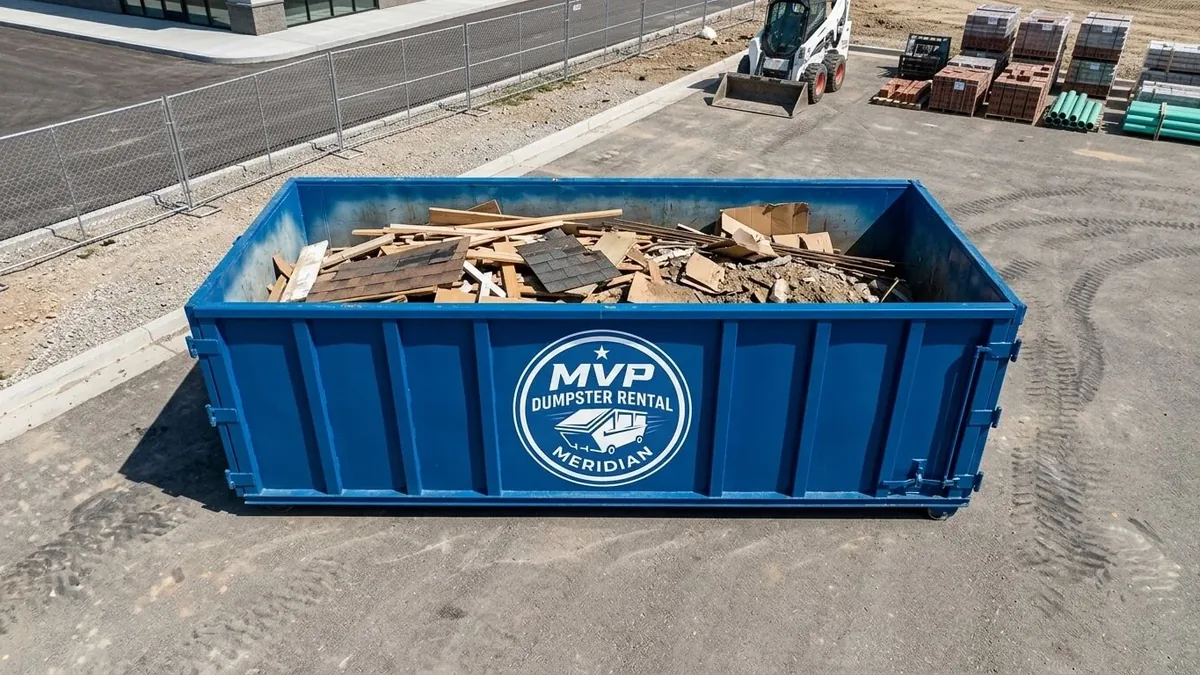
Roll-off dumpsters are built to handle the bulk of what comes out of a cleanout, remodel or construction project, and most of what you're getting rid of is completely fine to load. But there's a short, important list of items that can't go in — either because they're hazardous, because they need specialized recycling, or because they can damage the truck or the landfill equipment that processes the load. Here's the honest rundown, matched to Mississippi Department of Environmental Quality (MDEQ) guidance.
The large majority of residential and construction debris is welcome. This includes:
If you're not sure whether something specific fits into a "general debris" category, it's always fine to ask when you book.
A short list of items is prohibited in every roll-off container, regardless of size, because of how they're regulated or how they can damage disposal equipment:
It isn't arbitrary — most of the prohibited categories above are covered under Mississippi Department of Environmental Quality household hazardous waste guidance, which exists to keep hazardous material out of general landfill disposal and route it to facilities equipped to handle it safely. MDEQ publishes a household hazardous waste guide that's a useful reference if you're not sure where something belongs. The same logic applies to appliances with refrigerant — federal rules require refrigerant to be properly recovered before an appliance like a refrigerator or window AC unit can be scrapped, which is a different process than tossing it in with general debris.
Electronics are one of the categories people are most often surprised about, since an old TV or computer monitor doesn't look "hazardous" sitting in a garage. But the internal components include materials that shouldn't go into general landfill disposal, which is why Mississippi maintains an electronic waste recycling program through MDEQ. If your cleanout includes old electronics, it's worth checking MDEQ's e-waste program resources for a recycler or collection event near Meridian rather than setting the item in the dumpster.
Occasionally something prohibited ends up in a load by accident — a stray can of old paint at the bottom of a garage cleanout, for example. If that happens, tell us as soon as you notice, and we'll help sort out the right disposal path for that specific item rather than letting it ride along with the rest of the load. It's always easier to flag it before pickup than after.
Garage and estate cleanouts tend to turn up the widest mix of items, so they're worth walking through as an example. Old furniture, boxes of household goods, tools, sporting equipment and general clutter are all straightforward — load them in. Where people usually pause is the back shelf: half-used cans of paint or stain, a car battery from a project that never got finished, a can of old pesticide, a window AC unit that's been sitting unused for years. None of those belong in the general debris pile. Set them aside in their own spot as you go, rather than discovering them at the bottom of a full container, and we'll help you sort out where each one actually needs to go. The same logic applies to an estate cleanout that includes an older home's accumulated chemicals, an unused freezer in the garage, or a box of miscellaneous electronics from decades of use — the bulk of the cleanout goes straight in the dumpster, and a short list of specific items gets pulled aside.
On a construction or renovation site, the same basic sorting logic holds. Framing lumber, drywall, flooring, siding, and general demolition debris are all fine for the dumpster. What needs a second look is anything left behind by a previous system being removed — old HVAC equipment with refrigerant, batteries from backup power systems, cans of adhesive, sealant or paint from a previous finish job, and any material suspected to contain asbestos in an older structure (which should be evaluated by a qualified professional before any demolition begins, not handled as routine debris). Flagging these categories for your crew before demolition starts keeps the job moving without a mid-project scramble.
If you're staring at something in the garage and you're not sure which category it falls into, call us. It takes thirty seconds on the phone and saves everyone a headache later. Between MDEQ's hazardous waste guidance, the e-waste program, and our own crew's experience loading thousands of containers, we can almost always tell you exactly where a given item should go.
FAQs
No. Liquid paint and paint-related chemicals fall under Mississippi Department of Environmental Quality household hazardous waste guidance and need to go through a hazardous waste disposal path, not general debris disposal. Dried-out, empty paint cans are sometimes treated differently — ask us if you're not sure.
Not directly in the dumpster. Appliances that contain refrigerant need that refrigerant properly recovered first. Let us know if your project includes appliances like this and we'll point you to the right disposal path.
Electronics generally shouldn't go in general debris. Mississippi runs an electronic waste recycling program through MDEQ, and checking their e-waste program page for a nearby recycler or collection event is the right move for old TVs, monitors and computers.
No, tires require their own dedicated recycling stream and aren't accepted in general debris loads. Ask us about tire disposal options if your project includes them.
Most construction and demolition debris — lumber, drywall, flooring, roofing, framing scrap — is fine in a general debris container. The exceptions are hazardous materials like asbestos, which needs specialized abatement handling rather than general disposal.
Call us before you load it. It's a quick question for our team, and it's much easier to sort out the right disposal path ahead of time than after a prohibited item has already gone into the container.
Ready when you are
Call and you will speak to someone local who knows the streets, the permit rules and which box actually fits your lot. Flat rate quoted up front.
Keep reading
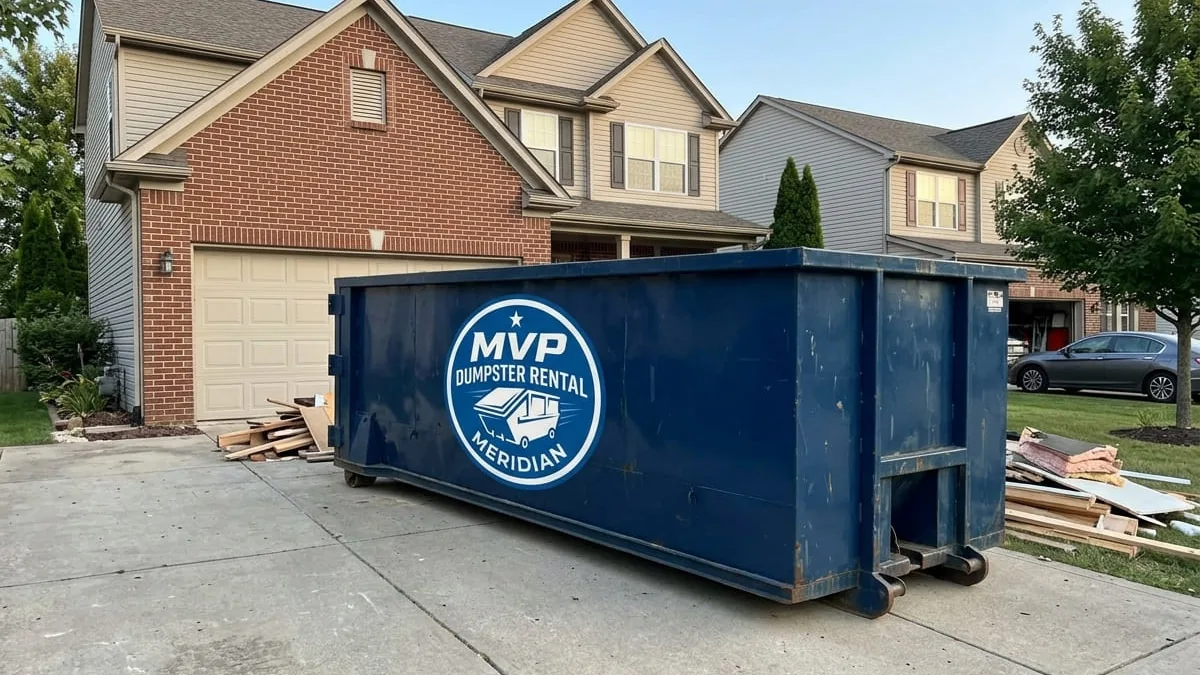
Driveway placement almost never needs a permit — the street or right-of-way usually does. Here's how to tell which situation you're in before you book.
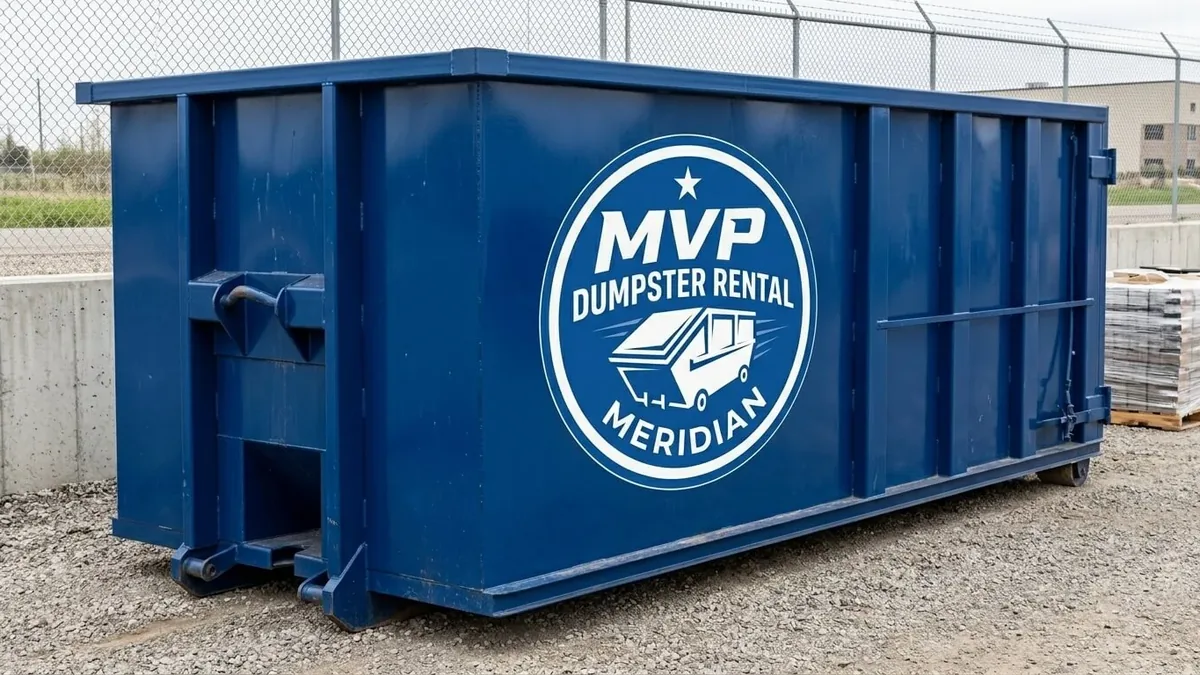
From framing scraps to old drywall, construction debris adds up fast on any Meridian jobsite. Here's how to sort it, weigh it and keep it moving off-site without slowing the crew down.
Clearing a loved one's home is one of the hardest projects a family takes on. This checklist walks through sorting, timeline and sizing decisions at a pace that respects what the work actually is.