What Size Dumpster Do I Need in Meridian, MS?
Ten, fifteen, twenty, thirty or forty yards — here is how to match the container to the job so you are not paying for space you never fill, or calling us back for a second one.
New Build Guide
A new build generates different debris at every phase, from framing offcuts to drywall dust to finish-work packaging. Here's how to plan dumpster service across the whole timeline instead of guessing once.
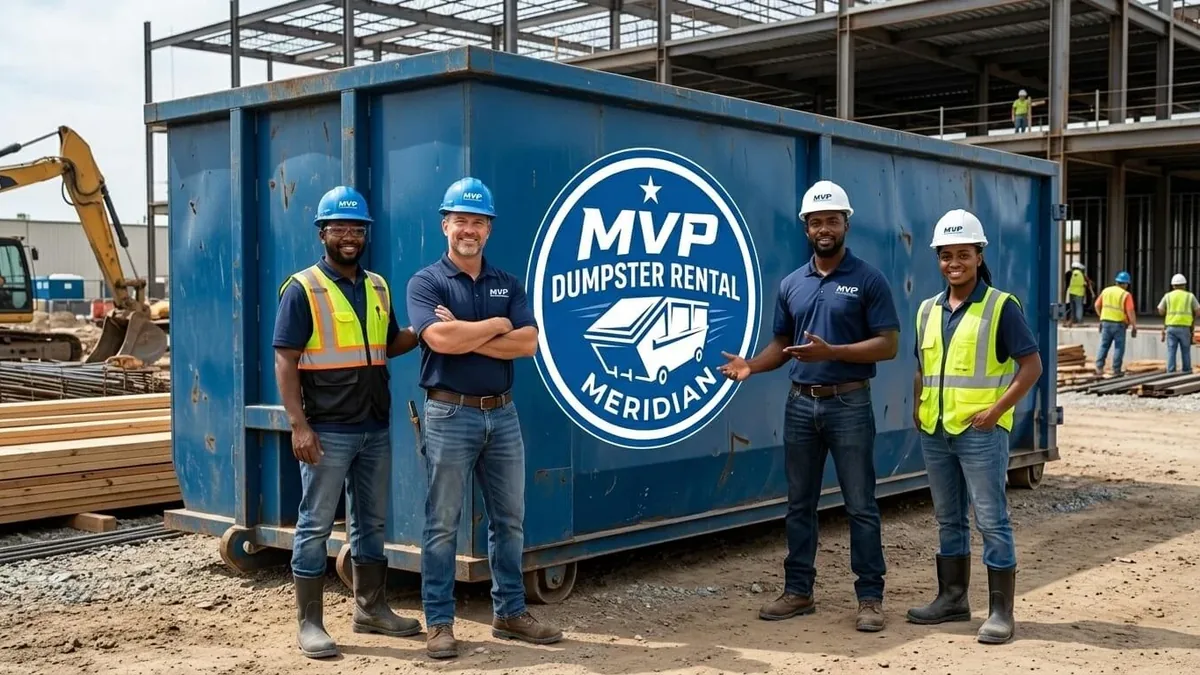
A new-construction build doesn't produce one kind of debris — it produces a different waste stream at nearly every phase, from framing offcuts early on to packaging and trim scraps at the very end. Trying to plan dumpster service around a single guess made at the start of the job is one of the most common reasons builds end up with either an overflowing container mid-phase or a half-empty one sitting around costing money. A phase-by-phase plan works better, and it's not complicated once you know what each stage typically generates.
The framing stage generates a steady stream of lumber offcuts, sheathing scraps, packaging from delivered materials, and general cutoffs. It's bulky — takes up real volume — but generally lighter by weight than later phases. A mid-size container usually handles a typical framing phase well, though larger builds or ones with a lot of engineered lumber waste may need a bigger option or a swap partway through.
Once electrical, plumbing and HVAC rough-in wraps and drywall goes up, the debris profile shifts. Drywall scraps and cutoffs are dense — much heavier per volume than framing lumber — and this phase is where weight limits start to matter more than container size alone. Piping, wire and conduit offcuts add metal scrap into the mix as well. If your build is drywall-heavy or involves a lot of rework, it's worth flagging that to your hauler so the container size accounts for the added weight, not just the added volume.
The finish phase — flooring, cabinetry, trim, fixtures, paint — tends to generate a lot of packaging waste: cardboard, foam padding, plastic wrap, and crating from cabinets and appliances. It's usually lighter than the rough-in phase but can take up significant volume fast, especially on larger builds with multiple trades finishing simultaneously. A smaller-to-mid-size container often works well here, though timing matters more than size — multiple trades wrapping up finish work at once can fill a container quickly.
Leftover paint, solvents, adhesives and similar chemical products shouldn't go into a standard construction dumpster load — they fall under hazardous-waste handling guidance rather than general C&D debris. Mississippi's Department of Environmental Quality (MDEQ) publishes guidance on hazardous-waste handling that's a useful reference for a GC managing a multi-trade site, and it's worth building a habit of setting these materials aside in one spot on-site rather than letting them get mixed into general debris by whichever trade happens to be cleaning up that day.
The biggest efficiency gain on a new-construction site isn't picking the perfect single container size — it's planning the swap-out cadence to match the build schedule. A few practices that keep this smooth:
Many builders find it easier to set a rough standing swap-out cadence (weekly, or tied to specific framing/rough-in/finish milestones) and then call ahead to adjust — push a swap earlier if a phase is running debris-heavy, or delay it if the site's slower than expected. A standing plan gives your hauler predictability, which helps keep your site prioritized on the route.
On a multi-trade site, debris service works best when one person — the GC, superintendent, or site lead — is the point of contact for scheduling swaps, rather than leaving it to whichever trade happens to notice the container is full. It keeps communication consistent and avoids the container sitting full for days because no one called it in.
A spot that works during framing might block material staging during finish work, or vice versa. Walking the site plan early and picking a placement that stays workable across multiple phases saves having to relocate the container mid-build.
A quick heads-up call when the site is moving from framing to rough-in, or rough-in to finish, lets your hauler adjust container size or swap frequency proactively instead of reacting to an overloaded or oversized container after the fact.
If you're a homeowner working with a GC on a custom build, debris service is usually coordinated through the GC rather than managed independently — but it's worth understanding the phase-by-phase plan yourself so you can ask informed questions about timeline and cost. If you're the GC, treating dumpster service as part of the build schedule (not an afterthought handled reactively) tends to save both time and money across the length of a project.
A new build's debris changes character at every phase — bulky and light during framing, dense and heavy during rough-in and drywall, high-volume packaging during finish. Planning container size and swap cadence around that arc, rather than guessing once at the start, keeps the site moving and avoids paying for either an oversized container sitting half-empty or emergency swaps on an overflowing one.
FAQs
Often, yes, or at least a different swap-out plan. Framing debris is bulky but lighter, rough-in and drywall debris is denser and heavier, and finish-phase debris tends to be high-volume packaging. Planning around that arc usually works better than sizing once for the whole build.
Drywall is much denser than framing lumber, so a container can hit its weight limit well before it looks full. On drywall-heavy phases, it's worth flagging that to your hauler so size and weight allowance are set accordingly.
It depends on the build's pace, but many contractors set a standing weekly or milestone-based cadence and then adjust as needed — moving a swap earlier during a debris-heavy phase or later during a slower stretch.
No, these should be kept separate from general debris. Leftover paint, solvents and similar products fall under hazardous-waste handling guidance rather than standard C&D disposal — MDEQ publishes guidance that's a useful reference for a jobsite.
Ideally one person — the GC, superintendent or site lead — rather than leaving it to whichever trade notices the container is full. It keeps scheduling consistent and avoids a container sitting full for days.
Sometimes it needs to, but it's worth trying to pick one placement that works across framing, rough-in and finish phases from the start, since relocating a container mid-build adds extra coordination and cost.
Ready when you are
Call and you will speak to someone local who knows the streets, the permit rules and which box actually fits your lot. Flat rate quoted up front.
Keep reading
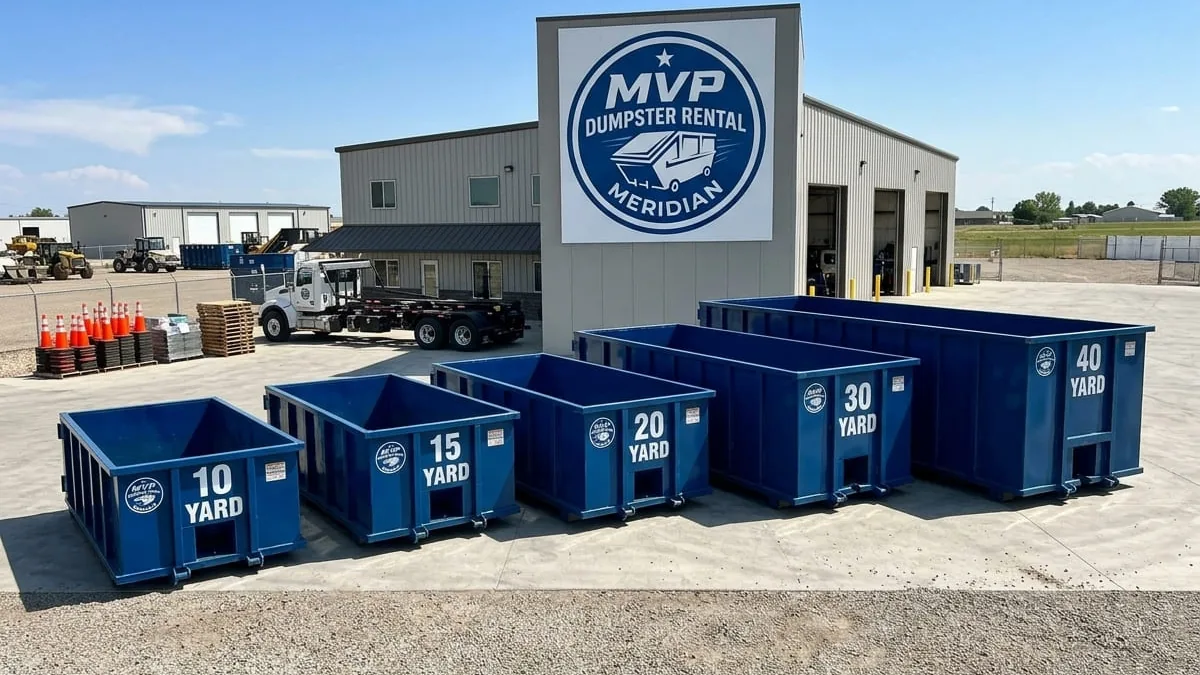
Ten, fifteen, twenty, thirty or forty yards — here is how to match the container to the job so you are not paying for space you never fill, or calling us back for a second one.
There's no single price for a dumpster rental — here's an honest breakdown of the handful of things that actually move the number, so you know what you're paying for before you call.
Most household and construction debris is fine to toss in — but a short list of items needs a different disposal path. Here's what's allowed, what's not, and why.