
Dumpster Placement and Driveway Protection in the Meridian Area
Where a dumpster sits matters as much as what size it is. Here's how driveway protection works, which spots to avoid, and why placement decisions save you from repair bills later.
Storm Prep Guide
Spring in Mississippi means regular thunderstorms, gusty wind and the routine cleanup that follows — downed limbs, loose shingles, fence and gutter debris. Here's how to plan for it.
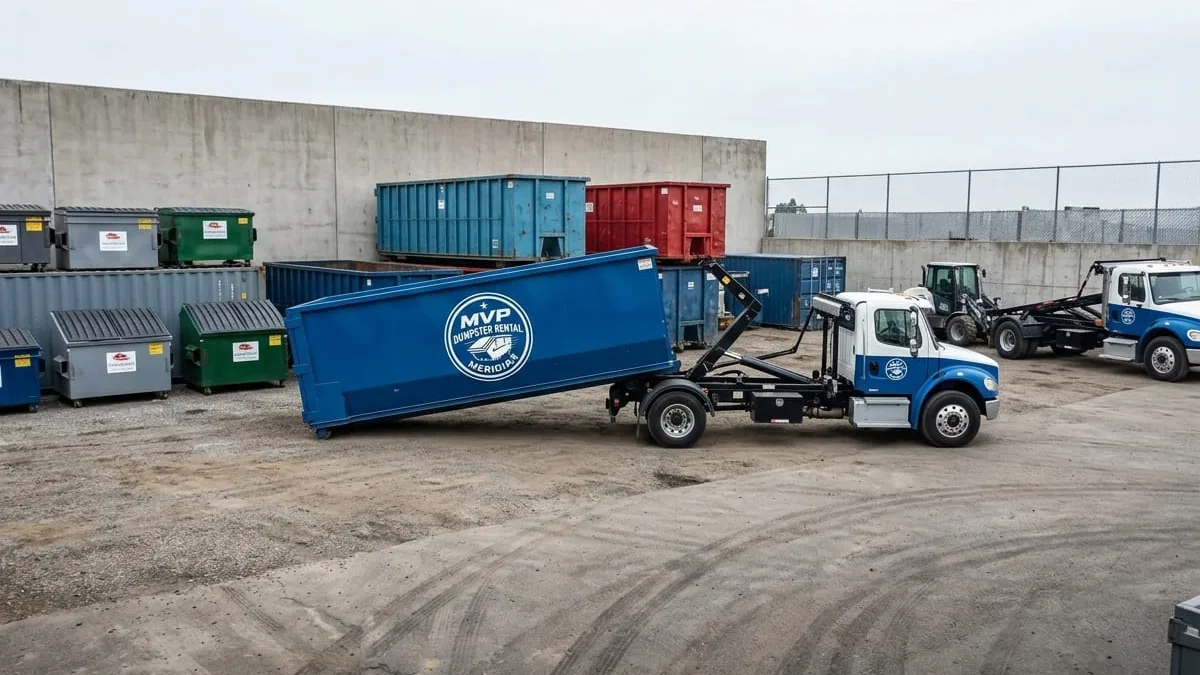
Spring in Mississippi brings a predictable stretch of active weather — regular thunderstorms, gusty afternoon winds, and the occasional stronger front moving through. For most Meridian and Lauderdale County households, that means routine outdoor cleanup a few times a season rather than anything dramatic: branches down in the yard, a few shingles loosened by wind, a fence panel knocked loose, gutters full of debris. This guide is about planning for that ordinary, recurring cleanup so it doesn't pile up faster than you can deal with it.
Mississippi spring weather tends to run in cycles — a run of calm days, then a stretch of thunderstorms and gusty wind, sometimes several times a month through the season. For most yards and homes, the aftermath is light and manageable: small to medium branches down, leaves and debris scattered across the lawn, maybe a loose gutter or a fence panel that took a hit. It's the kind of cleanup that's easy to put off because no single storm leaves a huge mess, but it adds up fast if you let a few rounds of it collect in a pile by the fence line.
Downed limbs and branches are the most common thing we see after a spring storm rolls through. A little bit here and there is easy to bag or stack, but once you're looking at a genuine pile — several trees' worth of debris, or branches large enough that hauling them to the curb yourself isn't practical — a dumpster makes the job faster and keeps your yard from turning into a staging area for weeks. A 10 or 15 yard container is usually plenty for a single-property cleanup after a normal storm; if you're clearing a larger lot or dealing with a few storms' worth of accumulated debris at once, a 20 yard gives you more breathing room.
Ordinary spring wind can loosen or lift a handful of shingles, especially on an older roof or one that was already due for attention. This is different from a full tear-off — it's typically a patch-and-repair job rather than a whole-roof replacement, but it still generates a small amount of roofing debris (old shingles, some underlayment, nails and flashing scraps) that shouldn't just go in your household trash can. A 10 yard dumpster easily handles a patch-repair job's worth of roofing debris. If the wind damage turns out to be more extensive once a roofer gets a look at it, see our full roof replacement checklist for sizing guidance on a larger tear-off.
Wind is hard on fences, especially older wood fencing or sections that were already loose. A knocked-over panel, a leaning post, or storm-damaged deck boards are common spring repair jobs. The debris from fixing a fence section or replacing a few deck boards is usually light — old lumber, some hardware, broken fence panels — and fits easily into a 10 yard container alongside other yard cleanup.
Spring storms wash a lot of debris into gutters and downspouts — leaves, twigs, seed pods and general buildup that can back up drainage if it's left alone. Clearing gutters after a stretch of storm activity is routine maintenance, but if you're doing it alongside a bigger yard cleanup, that debris can go right into the same container as your limb and branch pile rather than a separate trip to the curb.
The households that handle spring storm cleanup most efficiently tend to do it on a light, regular schedule rather than letting debris pile up until it feels urgent. A few practical habits:
| Typical spring cleanup | Usual size |
|---|---|
| Light limb and branch pickup, single yard | 10 yard |
| Fence or deck repair debris plus yard cleanup | 10 or 15 yard |
| Larger lot, several trees, accumulated debris | 20 yard |
| Minor roof patch-repair debris | 10 yard |
Spring is naturally one of our busier seasons, since a lot of households are tackling yard and light exterior cleanup at the same time. If you know you'll want a container for routine seasonal cleanup, booking a few days ahead rather than waiting until debris has piled up gives you more flexibility on delivery timing.
FAQs
For most single-property yard cleanup — downed limbs, branches, general debris — a 10 or 15 yard container is plenty. Larger lots or several rounds of accumulated debris may call for a 20 yard.
Yes, light construction debris like old fence panels or deck boards can go in the same container as branches and yard waste, as long as the container isn't already full.
Roofing debris from a minor patch-repair job fits easily in a 10 yard dumpster. If a roofer finds more extensive damage once they inspect it, check our roof replacement checklist for sizing guidance on a larger tear-off.
Yes — a lot of households tackle yard cleanup, minor exterior repair and general spring projects around the same time, so booking a few days ahead when you can gives you more flexibility on delivery scheduling.
Not usually — branches, leaves, old fence lumber and minor roofing debris can generally go in the same general-debris container. If you're unsure about a specific item, ask us when you book.
Walk your property after any stretch of windy weather and clear small amounts as they happen, or plan a proactive cleanup dumpster if you know your yard tends to generate storm debris regularly through the season.
Ready when you are
Call and you will speak to someone local who knows the streets, the permit rules and which box actually fits your lot. Flat rate quoted up front.
Keep reading

Where a dumpster sits matters as much as what size it is. Here's how driveway protection works, which spots to avoid, and why placement decisions save you from repair bills later.
Not everything coming out of a cleanout or remodel has to go to the landfill. Here's what's worth diverting for recycling in Mississippi, and what should just go in the dumpster.

A new build generates different debris at every phase, from framing offcuts to drywall dust to finish-work packaging. Here's how to plan dumpster service across the whole timeline instead of guessing once.